The Six-Figure Dog: Inside the Rise of Pet Talent Agencies and the New Soft Power Economy
In 2026, the most reliable presence in luxury branding has four legs.
Not as ornament. Not as novelty. But as influence.
Across Paris, Dubai, Seoul, and New York, select dogs are now represented by agencies, collaborating with major brands and commanding serious fees. What began as affection has evolved into infrastructure — a carefully managed ecosystem where image, access, and emotional resonance intersect.
This is the era of the six-figure dog.

From Companion to Company
Not long ago, pet Instagram accounts were whimsical side projects — charming, unserious, often chaotic. Today, a select group of dogs function as highly managed brands, represented by formal talent agencies that negotiate contracts, oversee partnerships, and guide long-term growth.
Agencies such as The Dog Agency were early architects of this shift, recognizing that engagement rates for pet accounts consistently outperform those of human influencers. Dogs are algorithmically powerful: non-political, emotionally accessible, visually adaptable.
In an increasingly polarized digital climate, a dog feels safe. A dog feels joyful. A dog converts.
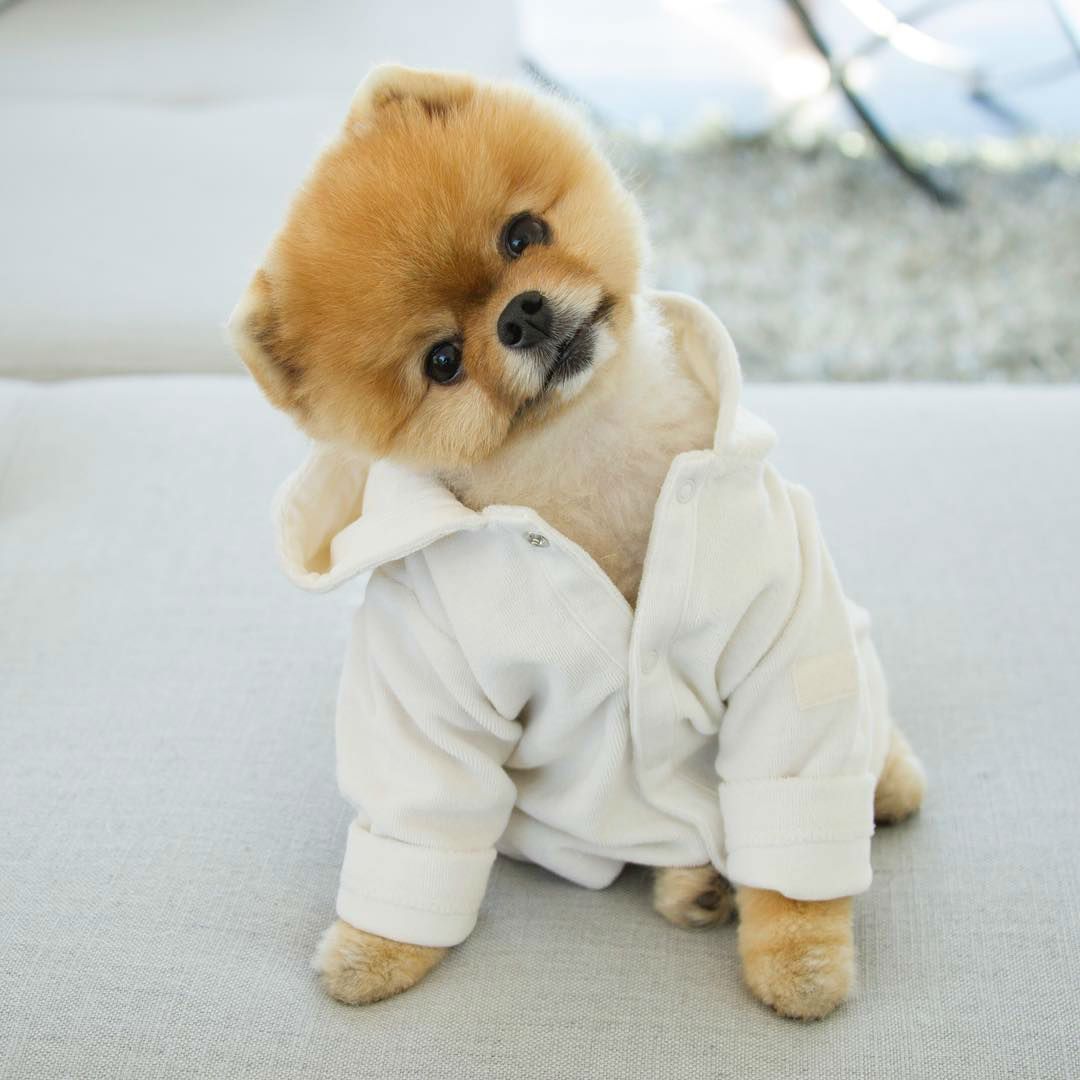
Early breakout stars like Jiffpom and Tika the Iggy demonstrated that pets could command global audiences, secure fashion partnerships, and attract high-value sponsorships. What followed was inevitable: professionalisation.
Today, top-tier dog influencers can earn between $2,000 and $20,000 per sponsored post, with annual revenues reaching six figures and beyond. Yet the money tells only part of the story. More compelling is the infrastructure behind it.
The Architecture of Canine Branding
Behind every successful dog influencer stands a human strategist.
Agencies now offer:
- Contract negotiation
- Usage rights management
- Brand alignment screening
- Content production strategy
- Long-term positioning
Some even assist with trademark registration and licensing agreements.
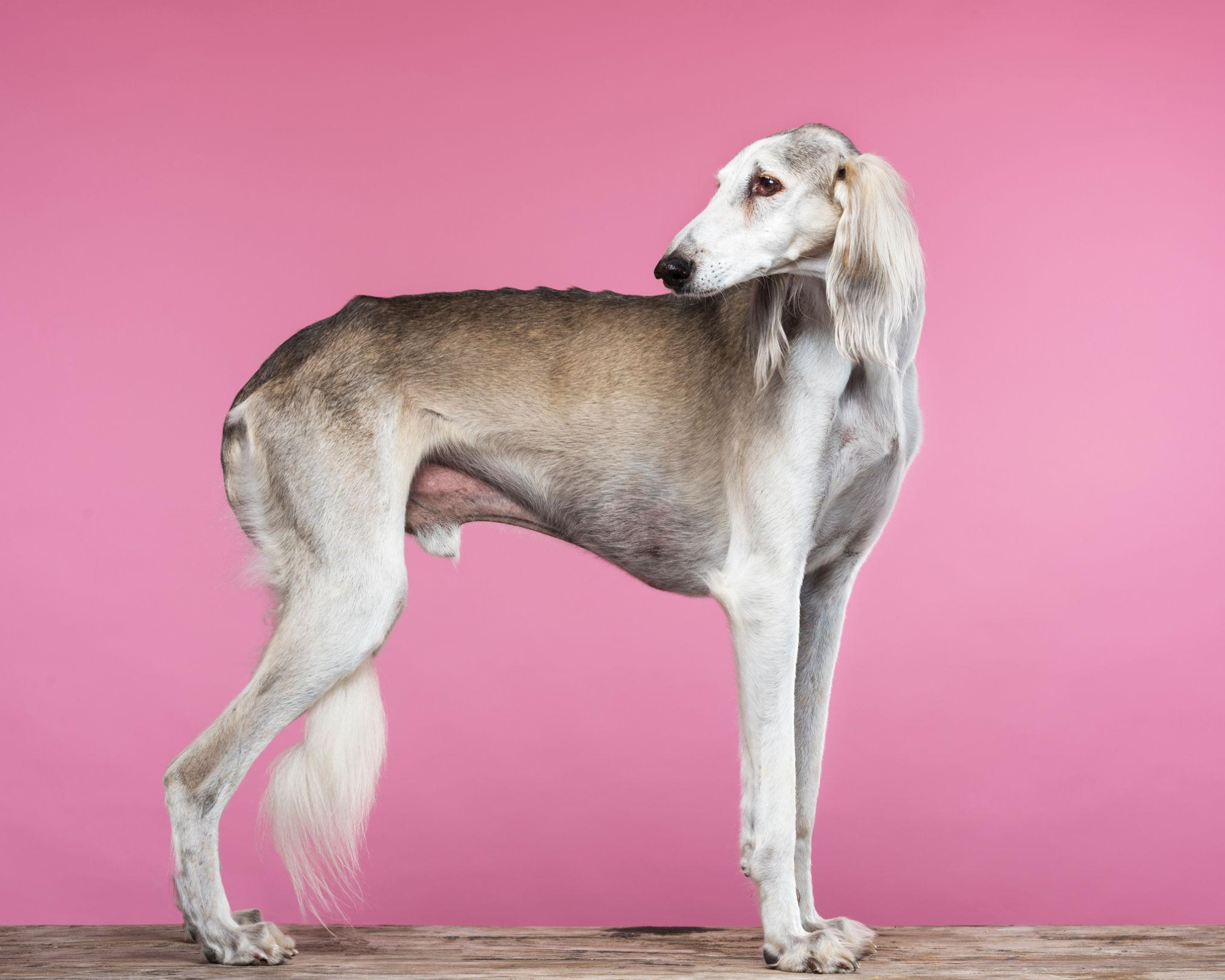
The modern pet influencer operates not unlike a fashion model or actor. Casting is deliberate. The dog’s look must be distinct. Its temperament must align with production environments. Owners must understand deliverables and timelines.
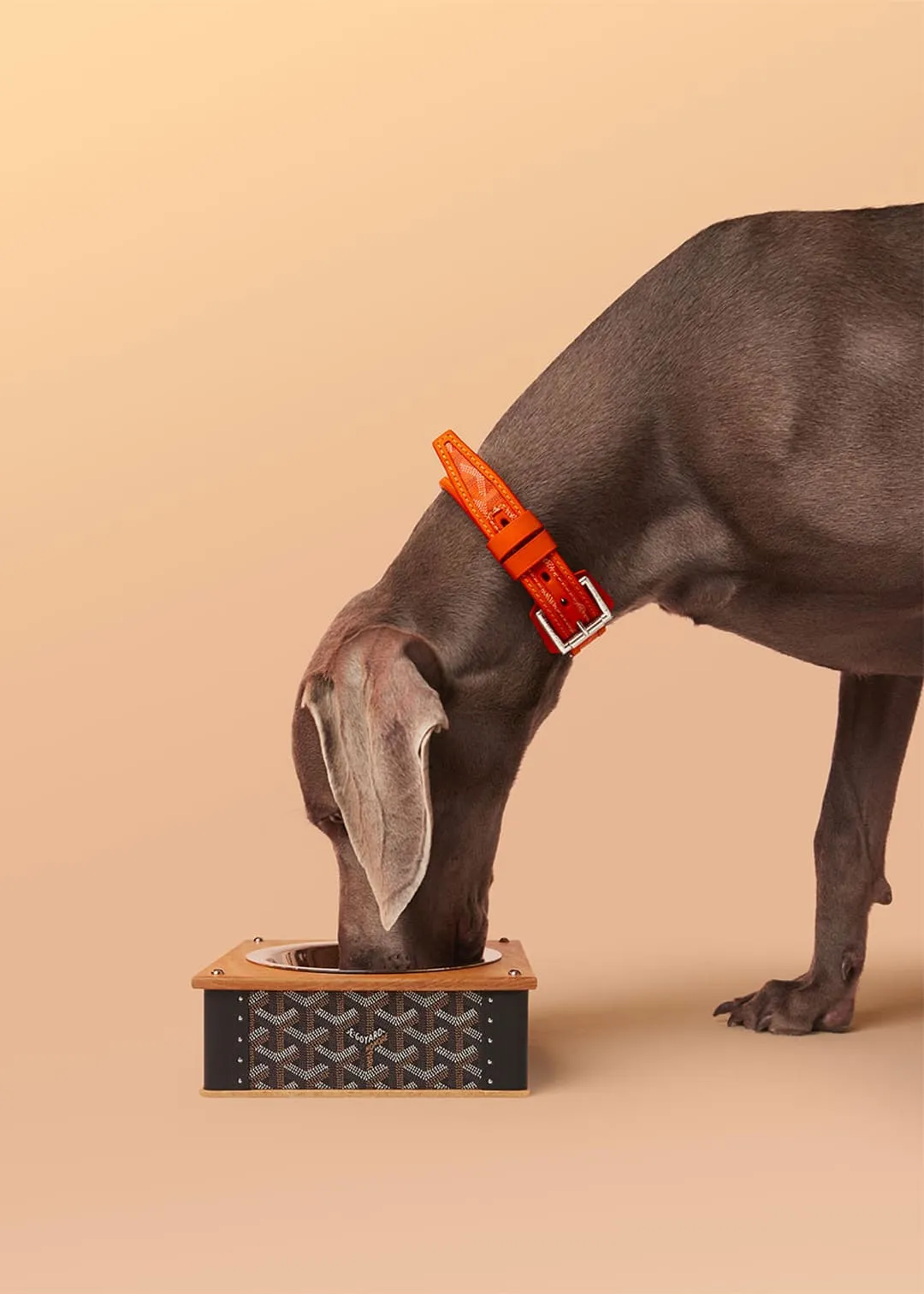
Meanwhile, the aesthetic has evolved. Rhinestones and novelty costumes have given way to quiet luxury: soft tailoring, neutral palettes, editorial lighting. The dog is no longer comic relief. It is muse.
Why Brands Are Investing
Luxury and lifestyle brands increasingly view dogs as extensions of aspirational domestic life.
A woman in a linen suit holding a poodle in soft morning light suggests stability, softness, and cultivated living. The presence of a dog humanizes luxury. It introduces intimacy without excess.
From skincare to cashmere to travel, brands recognize that dogs heighten emotional resonance. Engagement rates for pet content routinely surpass those of human creators because audiences respond instinctively.
A dog does not need a political position. It does not generate controversy. It does not overexpose itself.
It simply exists — and in doing so, strengthens the narrative around it.
The Psychology of the Moment
This rise is not happening in isolation.
Across global cities, younger professionals are redefining traditional milestones. Marriage is delayed. Families are reshaped. Careers are mobile. Emotional anchors are chosen rather than inherited.
In that environment, the dog becomes more than a pet. It becomes continuity.
To follow a dog influencer is to participate in a rhythm of care and routine — morning walks, quiet evenings, airport departures softened by familiar presence. The content is aspirational, yet grounding. In a hyper-curated world, the dog feels emotionally real — even when the brand strategy is deliberate.
That paradox is precisely what makes it powerful.
The Business Model
Revenue streams often include:
- Sponsored social media posts
- Long-term brand ambassadorships
- Product collaborations
- Affiliate partnerships
- Licensing and merchandise
- Public appearances
In some cases, digital extensions — NFTs, branded digital assets, AI-rendered adaptations — are beginning to appear.
More significantly, agencies report that brands increasingly seek multi-year relationships rather than one-off campaigns. Unlike many human influencers, a dog’s aesthetic does not pivot dramatically. Its brand identity remains consistent.
And consistency builds trust.
A New Soft Power
Perhaps the most fascinating shift is not financial but cultural.
Dogs now function as symbols of soft power in the digital age. They soften luxury. They elevate domesticity. They add warmth to brands that might otherwise feel distant or inaccessible.
In fashion campaigns, dogs are no longer background props. They are co-stars. In luxury interiors, they are integrated into design narratives. In travel content, they transform movement into lifestyle rather than spectacle.
The six-figure dog is not absurd.
It is a reflection of how influence itself has evolved.
When attention became currency, the most emotionally efficient form of presence rose naturally to the top.
Beyond the Feed
Industry insiders predict continued formalisation. Dedicated pet influencer conglomerates. Venture-backed luxury pet brands. Cross-border licensing deals. AI-enhanced digital storytelling.
But beneath the contracts and campaigns, the core remains unchanged.
A dog beside a suitcase in an airport lounge.
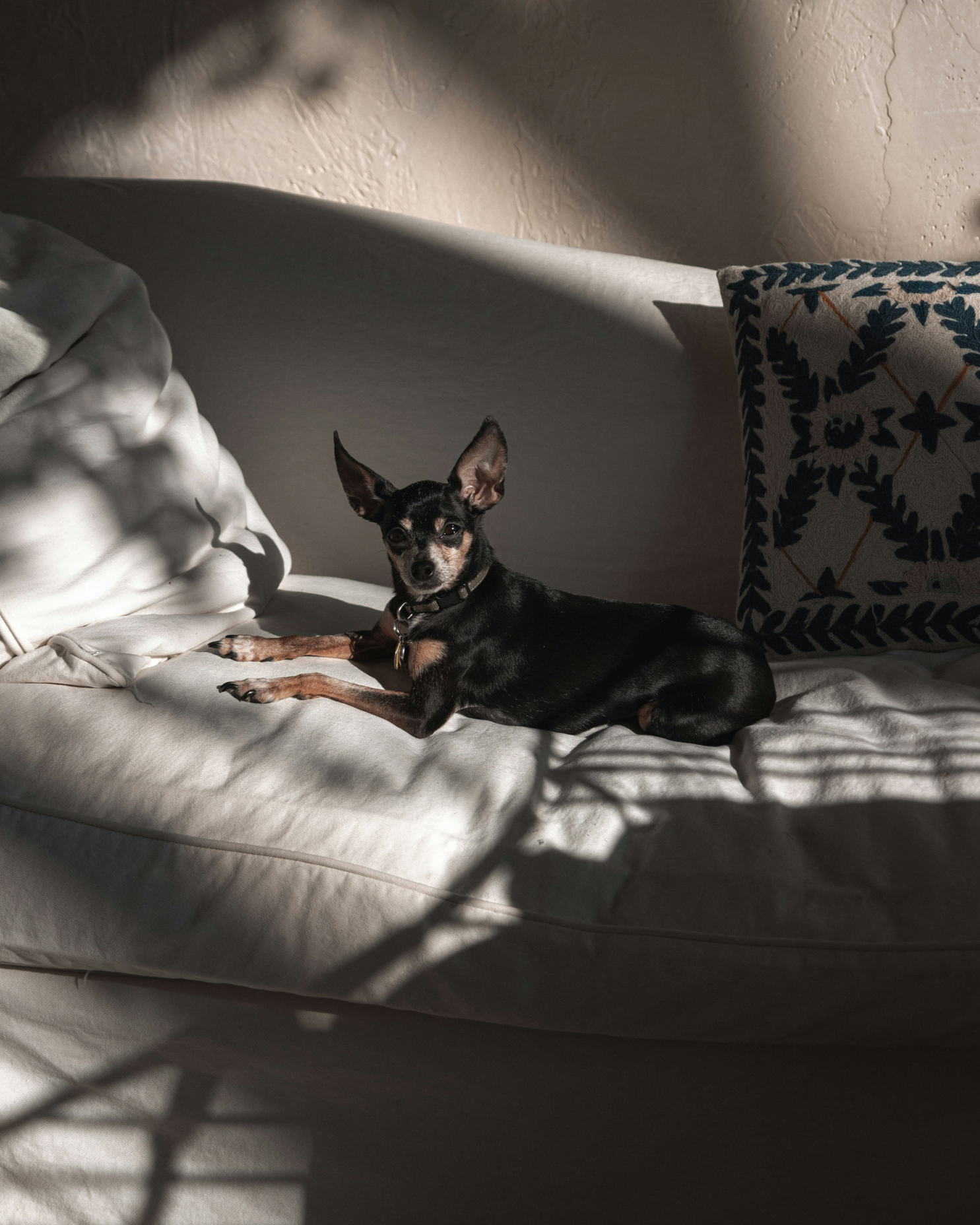
A dog resting on a sunlit bed.
A dog waiting at the door in a city still unfamiliar.
These images resonate because they suggest something steady within ambition, something intimate within scale.
The six-figure dog is not merely a financial phenomenon.
It is a cultural one — a sign that in an era of relentless performance, influence increasingly belongs to what feels warm, composed, and quietly constant.
And that quiet constancy may be the most powerful form of all.